When Your Alarm Goes Off at 9pm: A Gum Routine for Unsocial Hours
At GumTarget, we hear from plenty of people whose working day does not fit the usual pattern. Nurses coming off a twelve-hour shift. Warehouse teams on rotating weeks. HGV drivers waiting for a bay to clear. Carers doing sleep-ins. If that is you, the last thing you need is another routine that assumes you are in bed by eleven and brushing in a calm, well-lit bathroom.
Your gums do not know what time it is. They respond to what is going on in your mouth: plaque, dryness, what you eat and drink, and whether brushing and cleaning between your teeth actually happen. A night shift can make all of that harder. It does not make gum problems inevitable. It just means the plan needs to be a bit more flexible.
Why your mouth notices the clock
Shift work can leave you tired, dehydrated and more likely to snack on whatever is Nearest the staff room kettle. Caffeine helps you get through the small hours, but sipping strong coffee or energy drinks for hours can leave your mouth dry. Saliva is your mouth's natural rinse. When it drops, plaque has an easier time settling along the gumline, and your gums can feel sore, puffy or just uncomfortable.
Sleep matters too. If your main sleep is broken or happens at odd times, you may wake up with a dry mouth and a fuzzy feeling on your teeth. That is not a moral failing. It is a sign to make your routine simpler, not stricter.
The two-brush anchor
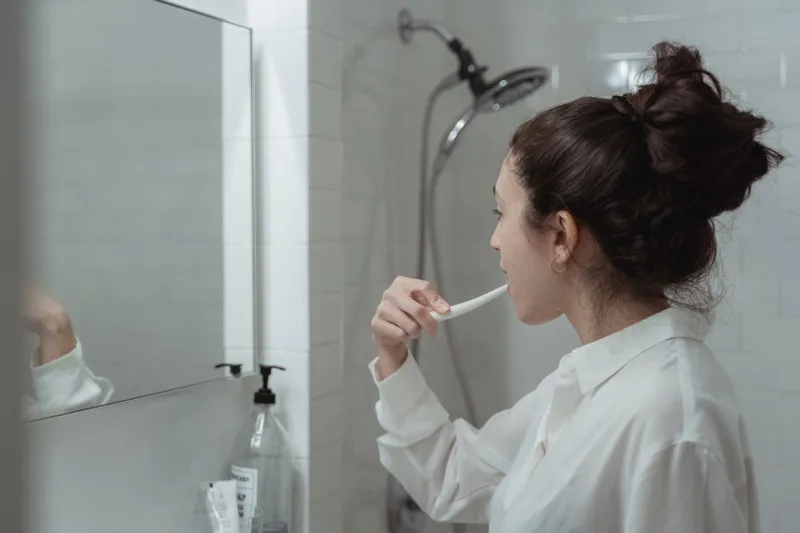
Most people do well with two brushing sessions a day. One should be last thing before your main sleep. For a night worker, that might be 8am after a shift, not 11pm. The other can be whenever fits — before you leave the house, after you wake, or before your shift starts.
Use a fluoride toothpaste, brush for around two minutes, and spit rather than rinse straight afterwards. That keeps the fluoride working for longer. If you have had something acidic — fruit juice, a fizzy drink, a vinegar-based snack — wait about thirty minutes before brushing. Brushing straight away can wear away softened enamel.
The trick is to anchor brushing to something you already do. Shoes off, phone on charge, bathroom. Or shift bag down, teeth brushed, then breakfast. Do not wait for the perfect moment. There will not be one.
Water, caffeine and the dry-mouth wobble
Keep water where you can see it. A bottle on the desk, in the cab, in the locker or by the bed is a simple nudge. Sipping water through a shift will not replace brushing, but it helps comfort and keeps your mouth from feeling like a desert.
Caffeine is fine for many people, but try not to make it the only thing you drink. Alternate a coffee with water. Avoid sipping sugary or acidic drinks slowly for hours; that gives your teeth and gums a long, steady bath in the thing you are trying to limit. Sugar-free chewing gum after a snack can help saliva flow, but it is a small helper, not a substitute for brushing.
If your mouth stays dry most days, mention it to your dentist or pharmacist. Dry mouth can have several causes, including medicines, and it is worth getting advice rather than just putting up with it.
Snacks that do not ambush your gums
Night-shift eating often happens because you are bored, tired or trying to stay awake. No lecture here. But grazing all shift is harder on your mouth than eating once and then giving it a break. If you are going to snack, sit down and have it, then drink water. Try to leave a gap before brushing.
Useful options include plain yoghurt, cheese, nuts, oatcakes, vegetable sticks or a banana. They are not magic, and some stick to teeth more than others. The bigger point is frequency. A packet of crisps eaten slowly over four hours is more of a problem than a snack eaten in ten minutes.
A low-effort plan for weird weeks
Keep a duplicate kit in your bag or locker: toothbrush, fluoride paste and a couple of interdental brushes. If you get home wrecked, brush before bed even if you skip everything else. If you are too tired to floss, brush well and do the interdental cleaning when you wake. Something done is better than nothing done perfectly.
Set a phone reminder that says brush before sleep, not brush at bedtime. That wording travels across shifts. If you use a manual brush, a two-minute timer helps. If you use an electric brush, let it do the work and do not press hard.
When to book a check-up
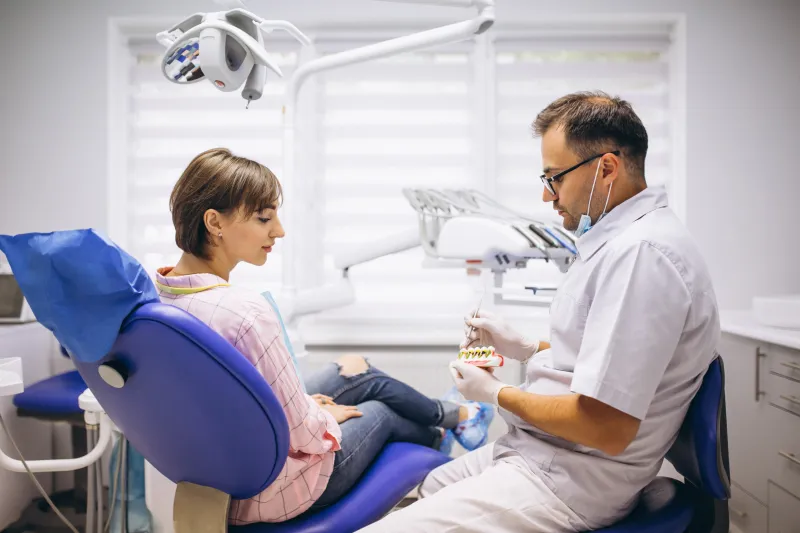
Do not wait for a problem to become dramatic. Book a dental check-up if your gums bleed when you brush or clean between your teeth, if your breath stays unpleasant, if your gums feel tender or look swollen, or if you notice receding gums or a loose tooth. NHS dental check-ups are not one-size-fits-all; your dentist will suggest how often you need one.
If you have swelling, pain, a bad taste or a fever, contact your dentist promptly. If you cannot get an appointment and things are getting worse, NHS 111 can advise on urgent care.
The bottom line
Shift work asks a lot of you. Your gum care does not have to be perfect to be useful. Pick two brushing anchors, keep water close, watch how often you snack, and book a check-up if something changes. That is a plan that can survive a run of nights, a rotating rota and a 4am finish.