Sip, Chew, Repeat: Protecting Your Gums When Saliva Runs Low

Saliva gets a bad press. It's the stuff you notice when you're nervous, when you've eaten something sharp, or when you wake up with a mouth like a beach at low tide. But most of the time it quietly gets on with a job that matters: keeping your mouth comfortable, your teeth mineralised and your gums on the right side of calm.
When saliva runs low, that quiet support system starts to wobble. This isn't about scaremongering or turning a dry mouth into a medical drama. It's about understanding what's happening, spotting the everyday habits that make it worse, and knowing which small changes are worth trying first.
Why a dry mouth is a gum problem, not just a thirst problem
Saliva is your mouth's own rinse, buffer and lubricant. It helps wash away food debris, neutralises acid after meals and snacks, and carries proteins and antibodies that keep the oral environment in balance. It also keeps your gums and cheeks lubricated, so they're less likely to feel raw or irritated.
When saliva flow drops, plaque has an easier time clinging on. Acid hangs around for longer. Food bits sit in the gaps between teeth. Gum tissue can feel sore, sticky or just generally unloved. None of that means your gums are doomed — but it does mean dry mouth is worth taking seriously rather than simply sipping more tea and hoping for the best.
What tends to dry things up
There are plenty of ordinary reasons for a persistently dry mouth, and most of them are not exotic.
Medications are one of the biggest culprits. Antihistamines, some antidepressants, blood pressure tablets, diuretics and certain painkillers can all reduce saliva flow. If you take several medicines, the effect can add up. Don't stop or change prescribed medication on your own — but do ask a pharmacist or GP whether dry mouth is a known side effect and whether there are alternatives worth discussing.
Mouth breathing is another common one. If you wake with a dry mouth, a blocked nose, snoring or a habit of breathing through your mouth at night could be part of the picture. So can a CPAP machine for sleep apnoea, which can dry the mouth even while it helps you sleep.
Everyday habits matter too. Alcohol, caffeine and smoking or vaping can all leave your mouth feeling drier. So can long stretches without water, especially on busy days or in heated rooms.
Health conditions such as diabetes, Sjögren's syndrome and some autoimmune conditions can affect saliva. Cancer treatment to the head or neck can also change saliva flow. Ageing gets blamed a lot, but it's often the medications that come with age rather than age itself.
The everyday toolkit: sip, chew, repeat
You don't need a bathroom cabinet full of special products to make a difference. Start with the basics.
Sip water regularly. Keep a glass or bottle within reach at home, at work and by the bed. Little and often is usually more useful than one huge gulp every few hours. Water with meals also helps soften food and rinse the mouth as you eat.
Chew sugar-free gum after meals. Chewing stimulates saliva, and sugar-free gum — especially gum containing xylitol — is a sensible UK high-street option. It isn't a substitute for brushing, and it won't fix gum disease on its own, but it can help bridge the gap between meals.
Stick to alcohol-free mouthwash. Alcohol-based rinses can feel fresh but may leave dry mouths feeling drier. If you use a mouthwash, choose an alcohol-free one and don't rinse straight after brushing — you'll wash away the fluoride from your toothpaste.
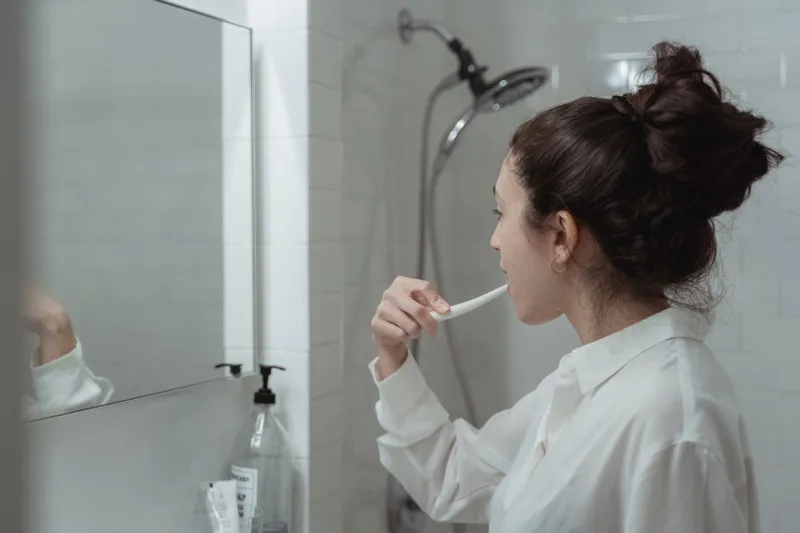
Brush gently with fluoride toothpaste. A soft or medium brush, twice a day for two minutes, is the foundation. Spit, don't rinse, after brushing so the fluoride stays on your teeth. Clean between your teeth daily with floss, interdental brushes or a water flosser — whichever you'll actually use.
Try a humidifier or a glass of water by the bed if night-time dryness is the main issue. Some people find a saline nasal spray helpful if a blocked nose is encouraging mouth breathing, but check with a pharmacist first.
Products on UK shelves that earn their place
A dry-mouth gel or spray from a high-street pharmacy can provide short-term comfort, especially before bed or during long meetings. They're not a cure, but they can take the edge off. Sugar-free lozenges can also help stimulate saliva.
If your dentist is concerned about decay risk, they may recommend a higher-fluoride toothpaste. In the UK, some high-fluoride toothpastes are available over the counter, while stronger versions can be prescribed. Ask your dental team what's appropriate for you rather than guessing.
What to skip, or treat with suspicion
Sugar-filled sweets and lozenges are a false friend: they stimulate saliva but feed the bacteria that cause decay. Acidic fizzy drinks and lemon drops can soften enamel and leave gums feeling more irritated. Very strong alcohol-based rinses can be harsh on a dry mouth. And any product promising to 'cure' dry mouth is overselling — the aim is management and comfort, not a miracle.
When to raise it with a dentist or GP
Book a dental appointment if dryness is persistent, if your gums bleed regularly, if you notice white patches, ulcers that don't heal, swelling or a bad taste that won't shift. Tell your dentist about any medications you take, even if they seem unrelated.
Speak to a GP if you have ongoing thirst, pass urine more often than usual, have dry eyes or joint pain alongside a dry mouth, or if dryness is affecting swallowing, speech or eating. If you have rapid swelling, difficulty breathing or swallowing, or a fever with facial swelling, seek urgent NHS help — call 111 or 999 if it's an emergency.
A calm bottom line
A dry mouth isn't a personal failing, and it doesn't mean your gums are beyond help. It's a signal that your mouth's usual rinse-and-buffer system needs a bit of backup. Sip water, chew sugar-free gum after meals, keep brushing and cleaning between your teeth, and mention persistent dryness at your next dental check-up. Small, repeatable habits are usually the ones that stick — and your gums don't need perfection, just consistency.