Beyond the Biscuit Tin: Everyday Eating Habits That Help or Hinder Your Gums
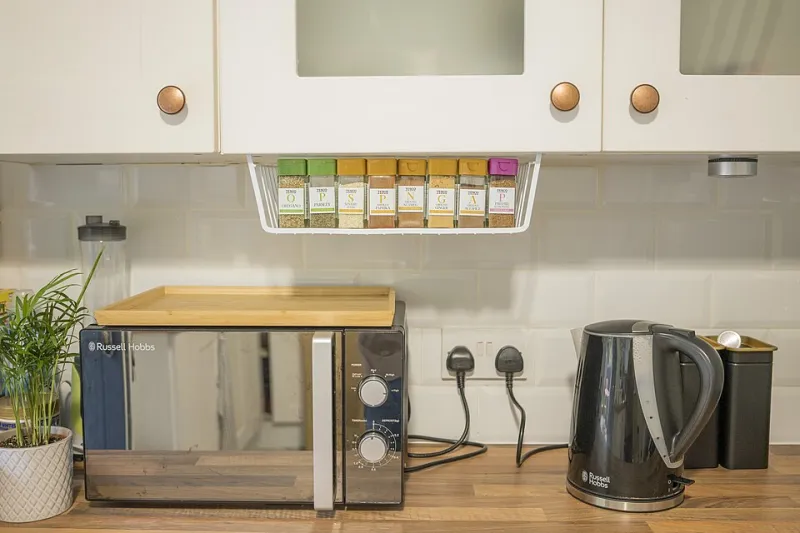
Photo: Stonesynergyimages, CC BY-SA 4.0, via Wikimedia Commons
Most of us do not set out to neglect our gums. We set out to get through the day: a brew at the desk, a packet of crisps in the car, a handful of raisins for the kids, a Friday curry. The problem is rarely one biscuit or one cup of tea. It is the steady drip of little exposures — and the fact that brushing often happens in a rush between them. You do not need a strict diet to look after your gums. You need timing, a few texture-aware swaps and a clear idea of what food can and cannot do.
The cuppa: not the villain of the piece
Tea is not bad for your gums in itself. What matters is what goes in it and how often. A sugary brew sipped slowly over an hour gives your mouth a long, repeated sugar bath. If you take sugar, cutting down or out is one of the simplest wins. If you like a milky tea, that is fine; milk does not cancel out sugar, but it is less sugary than a syrupy coffee. Tea can stain teeth over time, especially strong black tea, but staining is mostly cosmetic. It is not the same as gum disease.
Fizz, squash and the sipping problem
Fizzy drinks, flavoured water and squash can be acidic, and many are sugary too. Diet versions remove sugar but not always the acid. Sipping them all day is harder on teeth and gums than having one with a meal. Try water after, and do not brush straight away: acid softens enamel, so wait around 30 minutes. Chewing sugar-free gum after a meal can help saliva get going.
Crisps, toast and the texture trap
Crunchy foods are not automatically cleaning foods. Crisps and toast can leave bits around the gumline, and white toast with jam adds sugar. A piece of cheese at the end of a meal is a reasonable finish; it is not a magic eraser, but it is less sticky than a sweet. The bigger point is grazing: constant snacking keeps plaque fed. Group snacks with meals where you can.
Dried fruit and citrus: healthy, but not neutral
Raisins, dates and dried mango are sticky and sugary. They can cling to teeth and gums, so they are better with a meal than as an all-day snack. Citrus fruit is acidic; it is still a good food, but do not suck lemons or sip lemon water constantly. If you have sore or bleeding gums, very acidic or spicy food may sting, but it has not caused the underlying problem.
Curry night, rice and realistic expectations
A curry will not loosen your teeth. Spices can irritate gums that are already inflamed, and rice can tuck into gaps, but the main culprit in gum disease is plaque along the gumline. Enjoy the curry, drink water, and clean between your teeth afterwards. If a piece of food consistently gets stuck in one spot, mention it to your dentist; it can be a sign of a gap or a rough filling.
Chewing gum: small habit, useful role
Sugar-free chewing gum after meals is one of the few food-adjacent habits with a clear dental benefit. Chewing boosts saliva, which helps clear bits of food and neutralise acid. It is not a substitute for brushing, and it is not a treatment for gum disease. If you have jaw pain or clicky joints, skip it.
Timing beats perfection
Your gums do not need a perfect diet. They need fewer long, sugary or acidic episodes and more routine. Brush twice a day for two minutes with fluoride toothpaste, clean between your teeth daily, and spit rather than rinse after brushing. If you have a day of biscuits and brews, get back to the routine rather than writing the day off.
What food cannot fix
No food, tea or supplement will cure gum disease. Bleeding gums that persist are usually a sign of plaque-induced inflammation, and some people need professional cleaning and advice. If your gums are swollen, painful, receding or a tooth feels loose, book a dental appointment. Food can support a healthy mouth; it cannot replace diagnosis.
Kitchen-shelf swaps that make sense
Keep water visible and easy. Choose plain fluoride toothpaste over whitening claims. Have sugar-free gum by the door. Put dried fruit in a bowl for meals rather than desk grazing. Finish a meal with cheese or plain yoghurt rather than something sticky. None of these is dramatic, and that is the point. Small, repeatable choices are what your gums notice.