Minty Fresh Isn't a Diagnosis: A Sensible Guide to Mouthwash and Your Gums
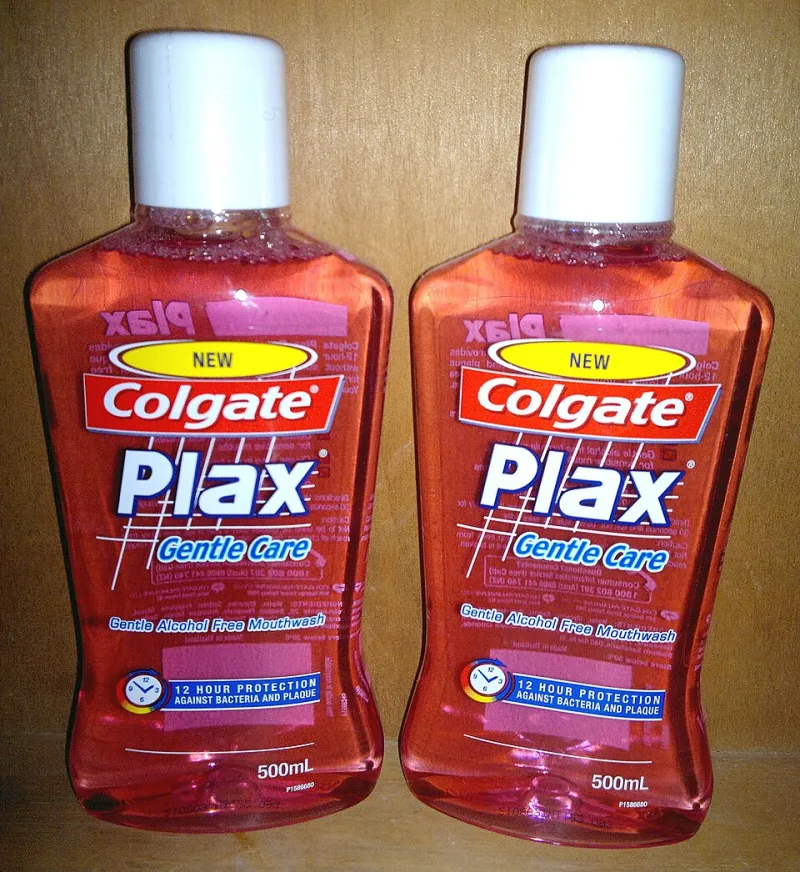
Photo: Editor182 (talk), Public domain, via Wikimedia Commons
Mouthwash is one of those products that promises a lot for a few pounds. Walk into any Boots, Superdrug or supermarket in the UK and you'll find shelves of brightly coloured bottles promising fresh breath, healthier gums and a feeling of just-cleaned. Some of that is genuine. Some of it is marketing. And a small amount of it can quietly get in the way of noticing a problem that deserves a proper look.
This isn't a campaign against mouthwash. Used sensibly, it's a helpful extra. The trick is knowing what it can do, what it can't, and when the minty hit is covering up more than it's fixing.
What mouthwash can realistically do
Think of mouthwash as a supporting act, not the headline. Brushing with fluoride toothpaste and cleaning between your teeth are the jobs that actually remove the sticky plaque that causes gum inflammation. A rinse can reach the flat surfaces of your mouth, but it can't get into the tight spaces between teeth or below the gumline where plaque likes to settle.
What a rinse can do is deliver fluoride (useful if you're at higher risk of decay), give a temporary freshening effect, and in some cases reduce the amount of bacteria on soft tissues for a while. That's not nothing. But it's a top-up, not a replacement.
The alcohol question
Alcohol-free mouthwashes have become the default for good reason. Alcohol gives a strong, almost medicinal sting that many of us associate with cleanliness, but it can be drying — and a dry mouth is often less comfortable and more prone to irritation. If you already have dry mouth (from medication, age, mouth breathing or certain health conditions), an alcohol-free rinse is usually the kinder choice.
That doesn't mean alcohol-containing rinses are dangerous for everyone. It just means there's rarely a good reason to seek out the strongest, stingiest option on the shelf. A plain alcohol-free fluoride rinse from an own-brand range is often all you need.
Medicated rinses: short-term tools, not lifestyle products
Some rinses contain active ingredients such as chlorhexidine, which can be genuinely useful for short periods — for example after certain dental procedures or during a bout of gum inflammation, when a dentist or hygienist advises it. But chlorhexidine isn't designed for months of daily use: it can stain teeth and alter taste, and it isn't a substitute for physically cleaning your teeth.
Other rinses use essential oils or other antibacterial ingredients. They may modestly reduce plaque and freshen breath, but the evidence isn't strong enough to justify swapping them in for brushing and interdental cleaning. If you find yourself buying the strongest medicated rinse every month and using it indefinitely, that's worth a conversation with your dentist rather than a repeat purchase.
When a strong rinse hides the real story
Here's the trap. Bleeding gums are a sign of inflammation. A strong rinse can reduce the bacteria that contribute to that inflammation and mask the smell of bad breath for a while — so you stop noticing the very signals that would otherwise prompt you to get checked. The problem hasn't gone away; it's just been given a minty coat of paint.
The same goes for persistent bad breath. If you need mouthwash every few hours to feel fresh, or if the smell returns quickly after rinsing, that's not a mouthwash problem. It could be gum disease, a dry mouth, a sinus issue, acid reflux or something else. A rinse can't diagnose any of that.
The rinse, don't replace rule
If you remember one thing, make it this: rinse, don't replace.
- Brush twice a day with fluoride toothpaste.
- Clean between your teeth once a day with floss, interdental brushes or a water flosser — whatever you'll actually use.
- Spit after brushing rather than rinsing with water, so the fluoride stays on your teeth.
- If you want to use a fluoride mouthwash, use it at a different time of day — after lunch, for example — rather than straight after brushing, when it would wash away the toothpaste's fluoride.
A sensible shelf strategy for UK bathrooms
Check the label for fluoride and choose alcohol-free if your mouth tends to feel dry. Sugar-free matters too, especially if you're using it more than once a day. Own-brand rinses are usually just as good as the big names; you're paying for the same basic ingredients.
If you have children, keep mouthwash out of reach and don't give it to under-sixes unless a dentist advises it. Older children can use it under supervision, but again, it's an extra, not a starter kit.
And don't stockpile medicated rinses. If you've been given one by a dentist or hygienist, use it for the recommended period and then stop. If you're not sure why you're using it, ask.
Red flags worth a dentist's look
Book a check-up if you notice:
- gums that bleed when you brush or clean between your teeth, especially if it doesn't settle within a couple of weeks
- bad breath that persists despite good hygiene
- gums that look swollen, shiny or have started to pull away from your teeth
- teeth that feel loose or have changed position
- pain, tenderness or a bad taste that won't go away
- ulcers or sores that haven't healed after three weeks
If you're in pain or have swelling and can't get an appointment quickly, contact your dental practice for urgent advice. If you don't have a dentist, NHS 111 can point you in the right direction.
The bottom line
Mouthwash is a useful supporting player. It can freshen your breath, deliver fluoride and, in short bursts, help calm inflamed gums. But it can't clean between your teeth, it can't replace brushing, and it can't tell you why your gums are bleeding. If you're relying on a strong rinse to cover up symptoms, that's the moment to get your gums looked at — not to buy a bigger bottle.