The Bathroom Is Not a Test: Practical Gum Care for ADHD and Neurodivergent Adults

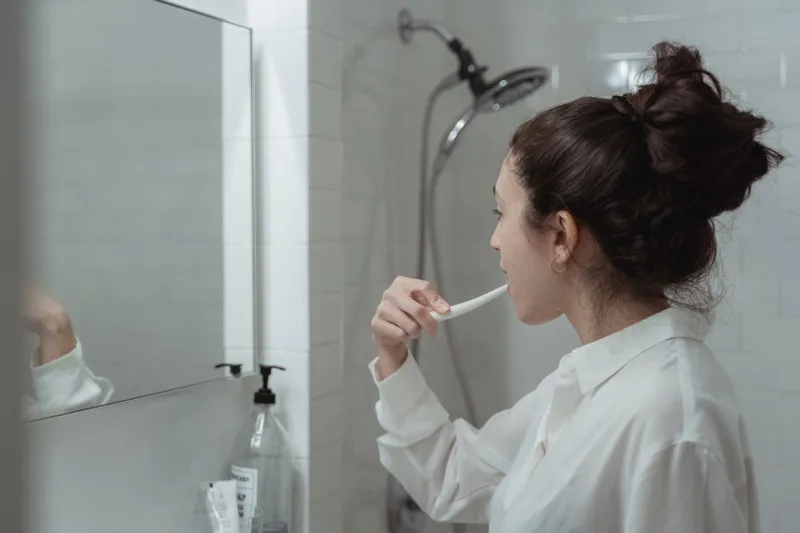
Photo: Sierra McLane, Public domain, via Wikimedia Commons
You know the drill. Toothbrush, paste, two minutes, twice a day. Simple, right? Except when the mint makes you gag, the bristles feel like a scrubbing brush, and the whole task has somehow become a 12-step project you can't start. If that sounds familiar, this one's for you.
At GumTarget, we're not here to hand out gold stars for perfect brushing. We're here to help you keep your gums as healthy as possible, using the brain and body you actually have. ADHD and neurodivergence aren't character flaws. They're differences in how your brain handles attention, sensory input, time and reward. Gum care can be adapted.
Why 'just do it' doesn't work
Standard dental advice assumes a tidy routine: you remember, you want to, the sensation is fine, and the reward is obvious. Take away any one of those and brushing can stall. Executive function — the mental system that helps you plan, start and finish tasks — can dip without warning. Time blindness makes two minutes feel either like ten seconds or ten years. Working memory loses the thread somewhere between 'get toothbrush' and 'put toothpaste on it'. Add a sensory aversion to mint, foam or bristles, and the bathroom can start to feel like a test you keep failing.
You're not failing. You're doing a task that asks a lot of a brain that's already busy.
The minimum viable gum care plan
On a rough day, lower the bar. Gum health is mostly about disrupting plaque along the gumline, and plaque doesn't need a perfect performance. Thirty seconds of brushing is better than zero. Brushing once is better than not at all. Cleaning two gaps with an interdental brush is better than a grand plan you abandon.
A few low-effort options worth trying:
- Keep tools where you can see them. If the bathroom cupboard is where toothbrushes go to be forgotten, leave one on the sink, in the shower, or by your bed with a dry brush and a tiny tube.
- Have a backup kit. A spare soft brush, fluoride toothpaste and a few interdental brushes in your bag, desk drawer or sofa-side basket can rescue a day that's gone sideways.
- Try a dry brush or water-only brush on sensory days. Toothpaste with fluoride is the gold standard, but a dry brush is a decent fallback when paste is a no-go. The important thing is disturbing plaque at the gumline.
- Choose a toothpaste that doesn't fight you. Look for adult-strength fluoride — around 1350–1500ppm — and consider an SLS-free, mild or unflavoured option. A pharmacist can help you find one. Children's toothpaste may not have enough fluoride for adults unless a dentist advises it.
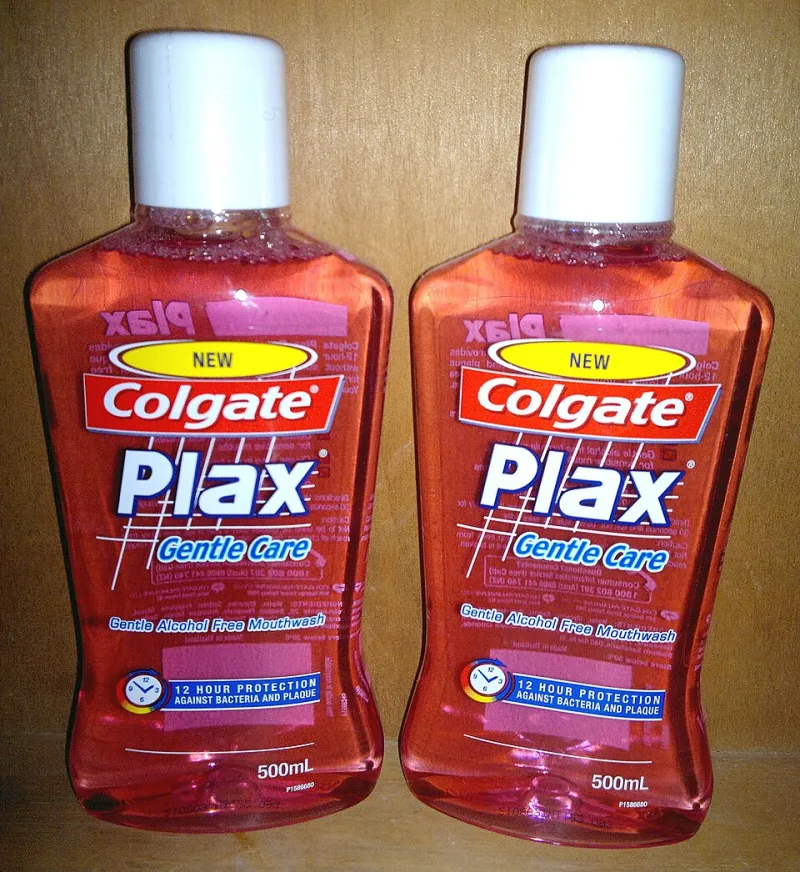
- Use mouthwash as a top-up, not a substitute. An alcohol-free fluoride mouthwash at a different time from brushing can be a small extra, but it doesn't replace the physical action of brushing.
- Chew sugar-free gum after meals if that's something you enjoy. It's not a clean, but it can help saliva flow when brushing isn't happening.
Make it smaller, weirder and easier to start
Task initiation is the boss fight. Attach brushing to something you already do, so it doesn't need a fresh decision. Brush while the kettle boils, while the shower water heats, or while a podcast intro plays. Sit on the edge of the bath if standing feels like too much. Use a timer that isn't your phone if your phone is a portal to twenty minutes of scrolling. Set an alarm labelled something kind — 'teeth, not a moral test' works better than a nagging beep.
Some people find body doubling helpful: brushing while someone else is in the bathroom, or while on a voice note to a friend. Others prefer a one-step setup — brush loaded and waiting, paste already on. None of this is silly. It's just removing friction.
When sensory stuff is the barrier
Toothpaste is a common sticking point. Mint can sting, foam can feel like too much, and grit can be unbearable. A milder or unflavoured fluoride toothpaste, a smaller blob, and warm water can all help. If an electric toothbrush feels too loud or too much, use a manual one with an extra-soft, small-headed brush. If bristles are the issue, a silicone brush may suit you better on bad days — it may not clean as thoroughly as bristles, but something is better than nothing.
If your gag reflex is sensitive, try a smaller brush head, less paste, and breathing through your nose. Don't force a full two minutes. Do what you can, rinse, and move on.
The two-day rule and when to get help
Everyone has off days. If you've gone a few days without brushing, start gently and don't try to 'catch up' aggressively. Bleeding when you start again is common, but it's worth watching. Book a check-up with an NHS dentist or your usual practice if bleeding carries on for more than a couple of weeks, if bad breath won't shift, if your gums are receding, if a tooth feels loose, or if you have pain or swelling. If you have facial swelling, trouble swallowing or breathing, seek urgent help via NHS 111 or A&E.
A word about shame
Shame is a terrible motivator. It makes you avoid the bathroom, not run towards it. You are not a failure because your brain finds ordinary tasks hard. You're a person who needs a different route. A half-done brush still counts. A rinse after a sugary drink still counts. Booking the check-up after a long gap still counts. Gum disease is common and treatable, and the important thing is to get back in the game when you can.
Your gums don't need perfection. They need plaque disrupted most days, and a bit of help when things slip. Start with one small change. The bathroom is not a test.