Your Gum Measurements, Decoded: What the Numbers at a Check-Up Actually Mean

Photo: dentist measuring gum pocket with periodontal probe in dental chair, via i.pinimg.com
If you've ever sat in the chair while a dentist or hygienist gently probes around each tooth and reads out numbers to a colleague, it can feel a bit like being let in on a secret code. Three, two, four, five — what do they actually mean? And should you be worried if one of them is higher than you expected?
At GumTarget, we think the numbers should feel less like a mystery and more like useful information. So here's a calm, plain-English guide to gum pocket readings — what they are, what they aren't, and what you can do with them.
What the dentist is actually doing
A gum pocket is the little groove between your gum and your tooth. Everyone has one. It's simply where the gum meets the tooth, a bit like the cuff of a sleeve sitting against your wrist. It is not a flaw or a sign that something has already gone wrong.
During a gum check, a dentist or hygienist uses a thin, blunt probe with tiny markings on it. They slide it gently into that groove and measure how far it goes before it meets resistance from the tissue that attaches your gum to the tooth. That depth is recorded in millimetres. They may also note whether the gum bleeds when probed, and whether there is any recession or loose-ness.
In the UK, your routine NHS check-up may include a Basic Periodontal Examination, often called a BPE. It's a quick screening tool that gives each section of your mouth a score. If anything looks worth investigating, your dentist may do a fuller periodontal chart — six readings around each tooth. That chart is the detailed map; the BPE is more like a glance at the weather.
3mm, 4mm, 5mm: a rough translation
Gum pocket depths are not a school grade. They are landmarks, and they only make sense alongside other clues.
A reading of 1–3mm is often described as snug. That doesn't mean your gums are perfect — bleeding on probing still matters — but it usually suggests the gum is sitting fairly close to the tooth.
A 4mm reading is often a nudge. It can mean there's a little more space than ideal, perhaps because plaque has been hanging around, because the gum is inflamed, or simply because the shape of that particular tooth makes the pocket trickier to measure. One 4mm pocket on its own is rarely a reason to panic. Several 4mm pockets, especially with bleeding, are worth a proper conversation.
A 5mm reading or more is the point where most dentists want to look closer. It may suggest that the gum has started to pull away from the tooth, or that cleaning that area has become difficult. But even here, context is everything. A single deep pocket may be an old problem that is being monitored; a new 5mm pocket with bleeding may need more attention.
The key point is this: a number is not a diagnosis. It's a breadcrumb. Your dentist will look at the trend over time, your bleeding scores, your X-rays if needed, your medical history and your home care before deciding what it all means.
What can push a reading up or down
Lots of things affect gum pocket measurements. Plaque and tartar can make the gum swell and loosen its grip. Smoking can mask the bleeding that would otherwise give the game away. Diabetes, pregnancy, some medications and a dry mouth can all change how gums behave. So can brushing too hard, grinding your teeth, or having a cold or flu that leaves you dehydrated.
Even the measurement itself has some wiggle room. A probe pushed slightly harder, a wobbly tooth, or a dentist having a rushed morning can shift a reading by a millimetre. That's why trends matter more than one-off numbers.
Questions worth asking at your next appointment
You are allowed to ask questions. NHS or private, it's your mouth and your appointment. Try these:
- What were my readings today, and which teeth had the deepest pockets?
- Is this a change from last time?
- Were my gums bleeding when you probed them?
- Would a full periodontal chart be useful for me?
- What should I do differently at home, and how will we know if it's working?
- Should I see a hygienist, and how often?
- Does anything in my medical history or medication affect my gum readings?
- Could I have a written note or printout of my scores?
If you feel rushed, ask for the numbers to be written down. A good clinician will not mind. You are not being difficult; you are being involved.
Small habits that support gum health between visits
You don't need a bathroom full of gadgets. You need consistency.
Brush twice a day for around two minutes with a fluoride toothpaste. Use gentle, circular movements and pay attention to the gum line, where the tooth meets the gum. Spit after brushing rather than rinsing with water — that keeps the fluoride working for longer.
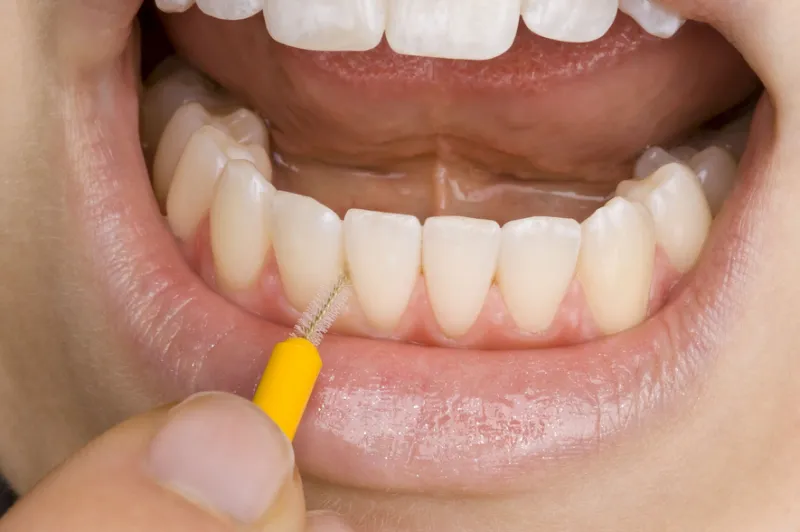
Clean between your teeth once a day. Floss, interdental brushes or a water flosser can all help; the best one is the one you will actually use. If your gums bleed a little when you start, don't stop. Gentle, regular cleaning is part of the solution, not the problem.
Keep your appointments, even when nothing hurts. Gum problems are often quiet. And if you smoke, cutting down or stopping is one of the most useful things you can do for your gums — more on that elsewhere on GumTarget.
The takeaway
Gum pocket numbers are not a verdict. They are a snapshot, taken on one day, by one person, with a small ruler. A 3mm reading can still sit alongside bleeding gums; a 4mm reading can be a temporary blip; a 5mm reading can be a prompt for a proper plan rather than a reason to panic.
Ask what your numbers mean for you. Keep the habits steady. And remember that the most useful check-up is the one where you feel able to ask the next question.