Midlife Mouth Changes: A Reassuring Guide to Gums During Perimenopause and Menopause
Why your mouth may feel different
Perimenopause and menopause are not just about hot flushes and sleep disturbances. Hormonal changes can affect the whole body, including the mouth. Some people notice drier gums, more sensitivity, a burning feeling, altered taste or gums that seem to bleed more easily than they used to.
This does not mean your teeth are about to fall out. It means your mouth may need a little more attention and a bit of patience. The key is to notice changes early, keep your routine steady and ask for help if something persists.
Dryness: the quiet troublemaker
A dry mouth is one of the more common complaints around this stage of life. It can happen because of hormonal shifts, some medications, mouth breathing, caffeine or simply not drinking enough during the day. When saliva flow drops, your mouth loses some of its natural rinsing and buffering power. Food debris and acids hang around for longer, and your gums can feel sore or sticky.
Practical steps help here. Keep water nearby and sip through the day. Chew sugar-free gum after meals if it suits your jaw. Cut back on very salty or spicy foods if they sting. If you take regular medication, ask your pharmacist whether dry mouth is a known side effect — sometimes a simple review is useful.
Bleeding, tenderness and sensitivity
Gums that bleed when you brush are not ‘just something that happens’ at any age. Hormonal changes can make gum tissue more reactive, so you may notice more tenderness or bleeding around your period, during perimenopause or when your routine slips. But bleeding is also a classic sign of plaque build-up along the gum line.
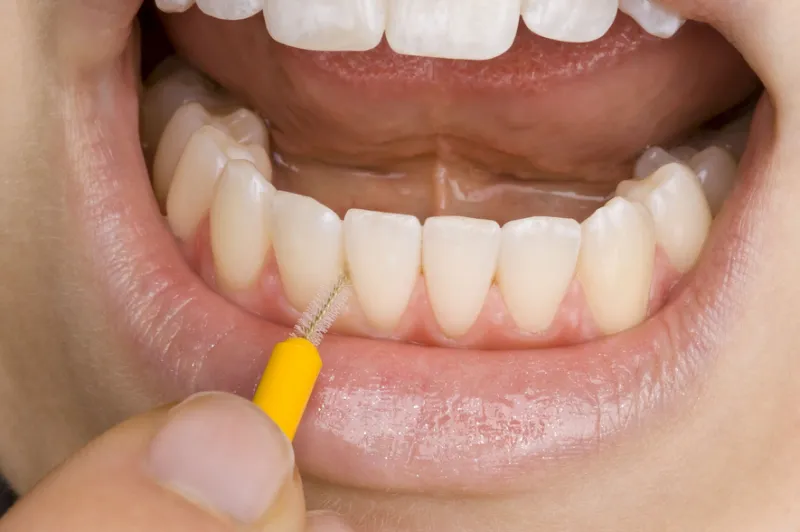
The answer is not to stop brushing. That usually makes things worse. Brush gently twice a day with fluoride toothpaste, and clean between your teeth daily with floss or interdental brushes. If your gums feel sore, use a soft brush and take your time. Do not scrub hard in an attempt to ‘clean deeper’.
Sensitivity to hot, cold or sweet foods can also increase if gums have receded or enamel has worn. A sensitive toothpaste may help, but it is worth mentioning to your dentist so they can check for other causes.
Small routines that make a difference
You do not need a cabinet full of products. You need a routine you can actually keep doing. Brush last thing at night and at one other time during the day. Use fluoride toothpaste. Clean between your teeth once a day — floss, interdental brushes or a water flosser, whichever you will use consistently.
If your mouth is dry, avoid alcohol-based mouthwashes, which can feel drying. Do not smoke, and keep an eye on how much alcohol and caffeine you are having. Both can leave your mouth feeling parched. If you wear a denture or a retainer, keep it clean and take it out at night as advised.
It also helps to think about your general health. Stress, poor sleep and skipping meals can all affect how well you look after yourself. Gum care is easier when it is tied to something you already do — brushing after your morning wash, for example, rather than a heroic new regime you abandon by Thursday.
What to mention at your next check-up
Before your appointment, jot down what you have noticed. Is your mouth dry all the time or only at night? Do your gums bleed every day or just now and then? Has your taste changed? Are there any ulcers, patches or swelling that have not settled? A short list helps you make the most of a check-up, especially if you feel rushed.
Ask your dentist or hygienist to show you the best way to clean around your gum line and between your teeth. If you have not seen a hygienist for a while, a visit can be reassuring and practical. In the UK, if you are not registered with an NHS dentist, you can still ask about available appointments or contact NHS 111 for advice on out-of-hours dental care.
When to ask for a closer look
Most changes around menopause are manageable and not emergencies. But do not ignore gums that bleed heavily and persistently, swelling that does not settle, loose teeth, pain when biting, or an ulcer or sore that has not healed after a few weeks. Those are reasons to book a dental appointment promptly.
If you have sudden facial swelling, difficulty swallowing or breathing, or a high temperature with dental pain, seek urgent help. That is rare, but it is worth knowing the difference between ‘this needs a check’ and ‘this needs attention now’.
You are not imagining it
Mouth changes during perimenopause and menopause are real, common and worth talking about. They are not a sign that you have failed at oral hygiene. They are simply another area where your body may need a slightly different kind of care.
Keep the basics steady, stay hydrated, ask questions and get persistent symptoms checked. A calm, consistent routine will do more for your gums than any panic purchase or miracle product. And if your mouth feels different in 2026 than it did a few years ago, you are far from alone — your dentist has heard it before and can help you work out what to do next.